I have coached women through their first goblet squat and through national-level powerlifting meets. I have watched clients return from childbirth, manage perimenopause symptoms, rehab cranky knees and shoulders, and reclaim their confidence under a barbell. Across those years in personal training gyms and on living room floors with adjustable dumbbells, the same myths keep showing up. They shape expectations, derail progress, and sometimes scare women away from something that could change their health. Let’s take them apart with clear explanations, practical numbers, and lived experience from the coaching floor.
“Lifting makes women bulky”
The most common fear I hear in any intake conversation: I don’t want to get big. The mental picture is always the same, a physique that looks like a professional bodybuilder within a couple months of picking up weights. That outcome does not happen by accident.
Gaining significant muscle requires three converging pieces. You need years of progressive overload, not just a hard workout or two. You need a calorie surplus that fuels muscle protein synthesis beyond what normal maintenance calories allow. And you need favorable genetics plus a long runway of consistent sleep, stress management, and protein intake. Even then, most women add muscle at a modest rate. A realistic expectation for a beginner who trains three times per week, hits at least 1.6 to 2.2 grams of protein per kilogram of body weight most days, and sleeps 7 to 8 hours is about 0.25 to 0.5 pounds of lean mass per month in the first six months. After that, the curve flattens.
What most people call bulky is usually a mix of new muscle, water, and glycogen plus changes in how clothes fit. Your thighs will feel firmer when your glutes and quads grow, and that often makes skinny jeans feel tighter. Meanwhile the tape measure around the waist usually shrinks, because muscle is metabolically active tissue. I once coached a client who dropped two sizes in her pants while increasing her squat from an empty bar to 135 pounds for sets of five. She weighed the same but looked athletic, slept better, and moved like someone five years younger.

If your goal is a lean, defined look, strength training is the fastest path. Keep total volume moderate, emphasize compound lifts, add a couple short conditioning sessions, and set calories at maintenance or a slight deficit if fat loss is a priority. You will not accidentally wake up bulky.
“Cardio is for fat loss, weights are for men”
Cardio improves heart health and burns calories in the moment. Strength training changes the body in ways that stack benefits over time. Muscle helps you hold a calorie deficit without feeling like a furnace is going out. It supports insulin sensitivity, bone density, and posture. When clients rely on cardio alone for fat loss, they often see a sharp drop in the first few weeks, then a plateau as the body adapts by getting efficient. If we add two to three days of strength work, that plateau breaks.
The split does not need to be complicated. Two to three total body sessions per week plus two short bouts of moderate cardio fits most schedules. I have executive clients who do 40 minutes of lifting on lunch breaks, then walk briskly for 20 minutes after dinner. They keep losing inches while eating enough to feel human. A fitness trainer who understands behavior change will never ask you to choose between strength and cardio. The balance depends on where you are, what you enjoy, and what you can do consistently.
“Heavy weights are dangerous for women”
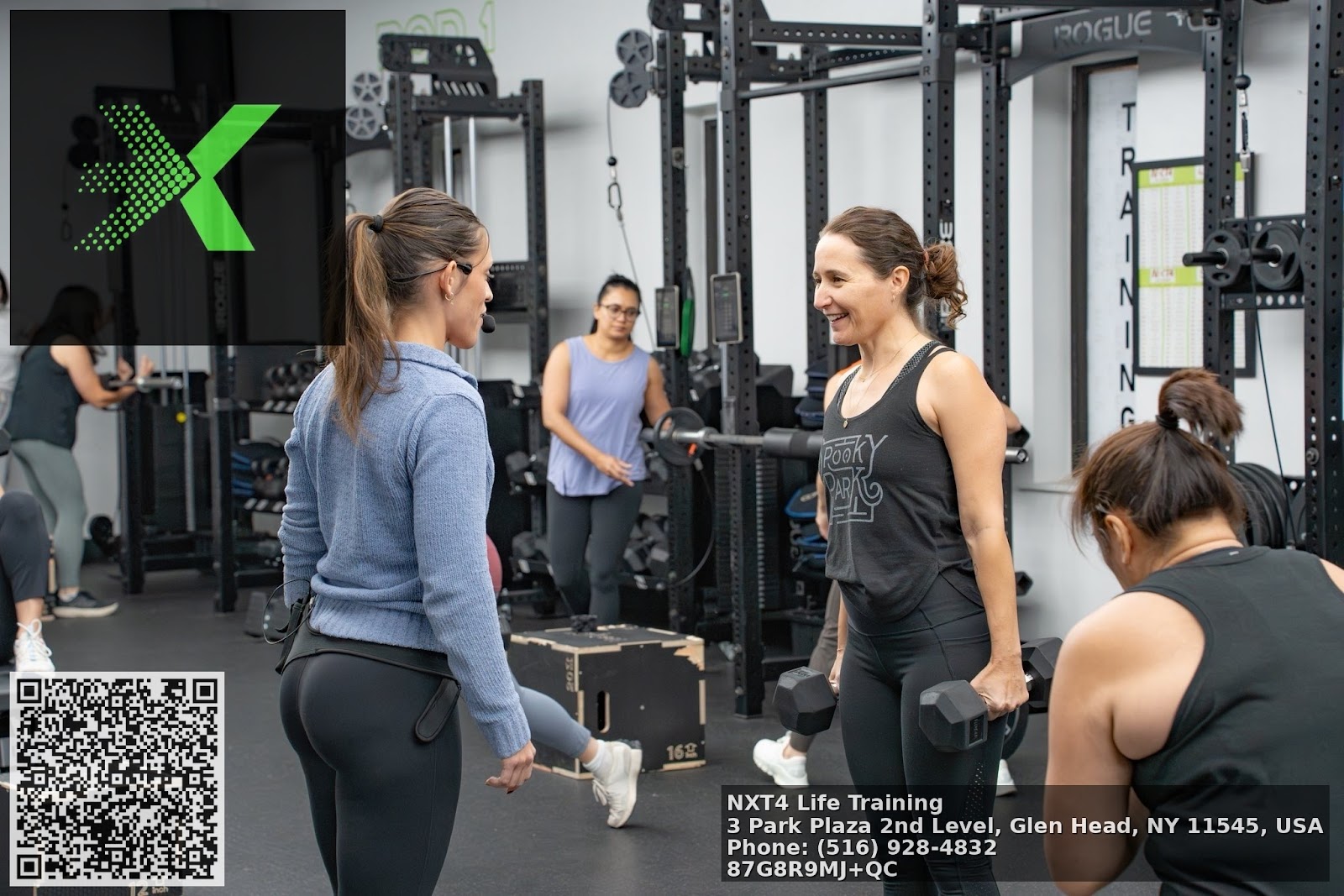
Weights are indiscriminate, not dangerous. Technique, load selection, and progression pace determine risk. Most injuries I see come from rushing, not from the weight itself. A beginner’s shoulder flares up when she adds five pounds each session without owning the movement or respecting her recovery. On the flip side, I have clients in their sixties trap-bar deadlifting more than their body weight, pain free, after months of smart ramping and attention to form.
Risk management is straightforward. Learn positions before loading aggressively. Use a range of 5 to 12 reps for most sets early on, where the last two reps are challenging but clean. Track your sessions with a simple log so you can see when to add weight and when to hold. If a lift causes a sharp or pinching pain, change the range of motion or the variation. A gym trainer’s eye helps here, but you can also film your sets on a phone and compare to a reputable demo from a personal fitness trainer you trust.
There is one area where I do get strict: bone health. If you are in perimenopause or postmenopause, progressive resistance training is a frontline defense against osteoporosis. That includes lifting heavy relative to your current strength. Heavy does not mean ego lifting. It means sets that demand focus at rep seven or eight, with solid bracing and controlled tempo. Bones respond to load by building density. You will not get that stimulus from pink dumbbells forever.
“You need to ‘tone’ with light weights and high reps”
Toning implies two processes: building some muscle and reducing body fat so that muscle shows. Light weights with endless reps mostly train endurance and deliver a burn, which feels productive. Progress, however, comes from tension and progressive overload. If you can do 25 reps with a weight, it is probably not heavy enough to stimulate growth unless you take it very near failure, which is miserable to sustain and hard to track.
For most women seeking definition, a simple rule works: choose a weight that allows 6 to 12 good reps, where the last 2 reps are a challenge without breaking form. Add a little weight or an extra rep each week when you can. Pair that with two 10 to 15 minute conditioning blocks weekly, such as incline walking, rowing, or short intervals on a bike, and manage nutrition so that you are either at maintenance or in a slight deficit if fat loss is the aim. I have watched this formula beat any boutique “sculpt” class that swaps real load for novelty.
“Strength training is bad for joints”
Bad form, sudden volume spikes, and ignoring recovery are bad Gym trainer for joints. Strength training done properly is joint medicine. Controlled loading thickens cartilage, strengthens connective tissue, and improves the mechanics around a joint. Knees love strong quads and hips. Shoulders love strong lats, rotator cuff muscles, and upper back. Low backs love glutes and core bracing patterns.
Take knees. I have had dozens of clients arrive with “bad knees,” meaning pain on stairs or after runs. We start with split squats holding onto a rack, partial range leg presses, slow step-downs, and sled pushes. Within four to eight weeks, stair pain eases because the threshold of what the knee can handle has moved. Not everyone is a textbook case. Some will need to limit deep knee angles at first, others will do fine as long as tempo is slow and heels stay down. The long game is strong tissue that tolerates life, not dodging discomfort forever.
“You must train six days a week to see results”
Three days per week can transform a physique and a life. I coach a lot of professionals and parents whose calendar is a jigsaw puzzle. Two or three intelligently planned total-body sessions give almost all the returns. Extra days can help if you enjoy them, recover from them, and still sleep and eat well. When progress stalls, the answer is usually better effort within a session, not more sessions.
Here is a simple, no-nonsense framework that fits most of the busy lives I see in personal training gyms and home setups:
- Two to three total-body sessions weekly, each 45 to 60 minutes, with 4 to 6 movements that cover squat or hinge, push, pull, and a carry or core. Start each lift with two warm-up sets that rehearse the movement, then do two to four working sets in the 6 to 12 rep zone, leaving one to two clean reps in reserve. Walk daily for 20 to 30 minutes, and include one or two short bouts of moderate cardio or intervals if you enjoy them.
Consistency beats perfection. The best program is the one you can run for months without dreading it or getting hurt.
“You need fancy equipment or a big-box gym”
Great training lives in principles, not machinery. I have built strong, athletic clients with a pair of adjustable dumbbells, a resistance band, and a doorframe pull-up bar. Barbell access helps if you want to push heavy loads, but it is not required.
Think patterns, not exercises. Squat with a goblet squat, split squat, or box squat. Hinge with a dumbbell deadlift or hip thrust. Push with floor presses and overhead presses. Pull with rows and assisted pull-ups. Carry heavy things. If you do those patterns long enough and make them harder over time, you will get strong and look the part. If you enjoy the energy of a local facility, a good gym trainer can spot your lifts, set realistic progressions, and keep you accountable, but the tools are optional.
“Women should avoid training during their period”
There is no universal rule here. I have worked with women who hit personal records on day one of their cycle and others who scale back for three days because cramps flatten them. Average research shows small fluctuations in strength and endurance across the menstrual cycle, but the effect varies widely among individuals. My coaching approach is to set a plan, then auto-regulate. If you feel strong, take the win. If you feel drained, reduce load by 5 to 10 percent or switch to higher rep accessory work and call it a day.
If symptoms regularly derail sessions, plan a deload for those days and make the following week an on-ramp where you push the main lifts. Track your cycle alongside a simple training log. Patterns emerge, and your program can bend with them rather than break.
“Protein powder is for bodybuilders”
Diet makes or breaks results. Most of my female clients who lift seriously feel better at 90 to 130 grams of protein per day, depending on body size and goals. A rule of thumb is 0.7 to 1.0 grams per pound of goal body weight, or 1.6 to 2.2 grams per kilogram of body weight. That range supports muscle maintenance and growth during training, especially if you train in a calorie deficit.
Protein powder is a food, not a miracle. It is milk or pea protein processed into a convenient form. I prefer whole foods first, but a shake after training solves a logistical problem when you have a meeting in 20 minutes. Pair it with fruit or a bagel for carbs and you have a simple recovery meal that supports your next session. If dairy bothers you, try a plant blend that includes pea and rice for a better amino acid profile.
“If it does not hurt, it is not working”
Soreness is a poor coach. Novelty, eccentrics, and higher volumes can drive soreness without better adaptations. Stronger is the north star. Track what you lifted last time and aim for a small improvement most weeks. I tell clients to collect wins: one extra rep here, two and a half more pounds there, a cleaner depth on squats, or a steadier tempo on rows. Those micro wins resist the scale’s mood swings and keep motivation grounded in performance.
Pain is a different story. Sharp pain is your body’s alarm. If a lift snaps or pinches, modify it. Raise the range of motion with a box or bench. Swap an overhead press for a landmine press. Change your stance. If pain lingers beyond a few days, get assessed by a professional and coordinate with your fitness coach on adjustments.
What progress actually looks like week to week
Every strong woman I’ve trained built her strength in quiet, repeatable steps. There is less drama than social media shows, and more patience than most apps prescribe.
A new client, 42 years old, two kids, desk job, no recent lifting history, starts with bodyweight squats to a box, dumbbell RDLs, incline push-ups, dumbbell rows, and farmer carries. Week one looks like a rehearsal. Week two, she lifts the same weights with better control. Week three, we add five pounds to the goblet squat and two reps to push-ups. By week six, her goblet squat has doubled, her RDLs feel solid, and we introduce a trap-bar deadlift. She walks out of sessions upright and energized, not wrecked. Eight months later, she can deadlift more than her body weight for triples, walk for miles without knee pain, and carry all the groceries at once because farmer carries became her party trick. That is strength training.
How a good personal trainer builds your plan
Cookie-cutter templates rarely fit real lives. A skilled personal trainer asks about sleep, stress, injuries, past exercise, work schedule, and equipment access. They watch you move, then start with the simplest progression that hits your goals. The right fitness trainer writes training like a conversation that unfolds over months. They know when to nudge and when to pull back.
Programs evolve. Early blocks train positions and patterns. Middle blocks chase load or volume on the main lifts while rotating accessory work to shore up weak links. Deload weeks show up before life forces them. If you travel, your workout trainer curates a hotel-gym menu. If your shoulder talks back, your coach swaps barbell bench for a neutral-grip dumbbell press and adds more rowing and cuff work. None of this feels exotic in the moment, but it compounds.
If you prefer to train solo, borrow that mindset. Write down three to six key movements for the next four to six weeks. Keep them consistent so you can measure progress. Change a small thing if a lift stalls for two to three weeks, but keep the spine of your program stable.
Edge cases that deserve nuance
Pregnancy and postpartum training require guardrails, not fear. I have guided many women through all three trimesters with modified positions, reduced intra-abdominal pressure strategies, and attention to symptoms like coning or pelvic heaviness. We avoid maximal bracing, manage breath, and swap supine positions in later pregnancy. Postpartum, we rebuild with breath, pelvic floor, and core coordination before loading heavy. Strength returns faster than most expect when we respect healing and keep ego out of it. Work with a coach who collaborates with your medical providers.
Perimenopause often brings sleep disruption, mood changes, and body recomposition challenges. Strength training is your ally. Heavier sets with longer rest periods, adequate protein, and mindful stress management preserve muscle and keep bones robust. Expect rate of progress to ebb and flow. Track performance markers beyond the scale.
Hypermobility creates the illusion of depth and control. If you can fold in half but struggle to create tension, prioritize stability. Shorten ranges initially, slow tempos, and load conservatively. Your joints will thank you, and your lifts will feel safer.
Simple, sustainable nutrition for strength
You do not need a perfect macro spreadsheet. Start with two anchors. Aim for protein at each meal, about a palm to a palm and a half per serving, and include a carbohydrate source around training so that workouts feel strong. Add vegetables or fruit most meals. If fat loss is a goal, reduce portions gradually rather than slashing whole food groups. If muscle gain is the priority, add a small extra serving of carbs or fats daily and monitor strength, body weight, and how clothes fit across three to four weeks.
Hydration matters more than people admit. Dehydration of as little as 1 to 2 percent of body weight can sap performance. A simple target is half your body weight in ounces of water daily, adjusted for climate and training intensity. Salt your food to taste, and consider an electrolyte mix if you sweat heavily or train in heat.
A grounded starting plan you can run this month
This template respects time, joints, and results. It uses what most home or commercial gyms have, and it gives you room to progress. Run it for four to eight weeks, track loads, and aim for small improvements each session. If something hurts sharply, adjust the range or swap the variation.
- Day A: Trap-bar deadlift, goblet squat, dumbbell bench press, one-arm row, half-kneeling cable or band chop, farmer carry. Day B: Reverse lunge or split squat, Romanian deadlift, overhead press or landmine press, lat pulldown or assisted pull-up, hip thrust or glute bridge, suitcase carry.
Use two warm-up sets per movement, then do three working sets of 6 to 10 reps for main lifts and 8 to 12 reps for accessories. Rest 90 to 150 seconds between sets. Finish with a 6 to 10 minute incline walk or easy bike if time permits. On non-lifting days, walk 20 to 30 minutes. Sleep 7 hours when possible and eat a protein-forward meal within a couple hours of training.
What to expect after three months
If you train two to three days per week, push sets near technical failure, and fuel reasonably well, you can expect noticeable changes in 8 to 12 weeks. Most women add 30 to 70 pounds to their deadlift, 10 to 30 pounds to their press variations, and see better posture and stamina. The scale might barely move if you recomposition, yet progress photos, waist measurements, and how your clothes sit will tell the real story. Energy steadies. Aches that once felt like part of aging often fade.
There will be off weeks. Travel, illness, work stress, hormones. Good programs bend without breaking. If a week goes sideways, train once, do a long walk, and pick up where you left off. Muscle remembers. Missed workouts are potholes, not roadblocks.
Final thoughts from the coaching floor
Strength training is not a male pastime. It is a human skill set that pays compound interest, especially for women. The myths persist because they offer simple stories, but your body deserves better than stories. It deserves patient, intelligent stress and the confidence that comes from moving a weight that once scared you.
If you want guidance, find a personal trainer who listens first. Ask how they measure progress besides the scale. Watch how they cue movements. Look for a fitness coach who builds your plan around your life, not the other way around. Whether you work with a gym trainer in a busy facility or a personal fitness trainer online who checks your form and updates your plan, the relationship should leave you stronger in every sense.
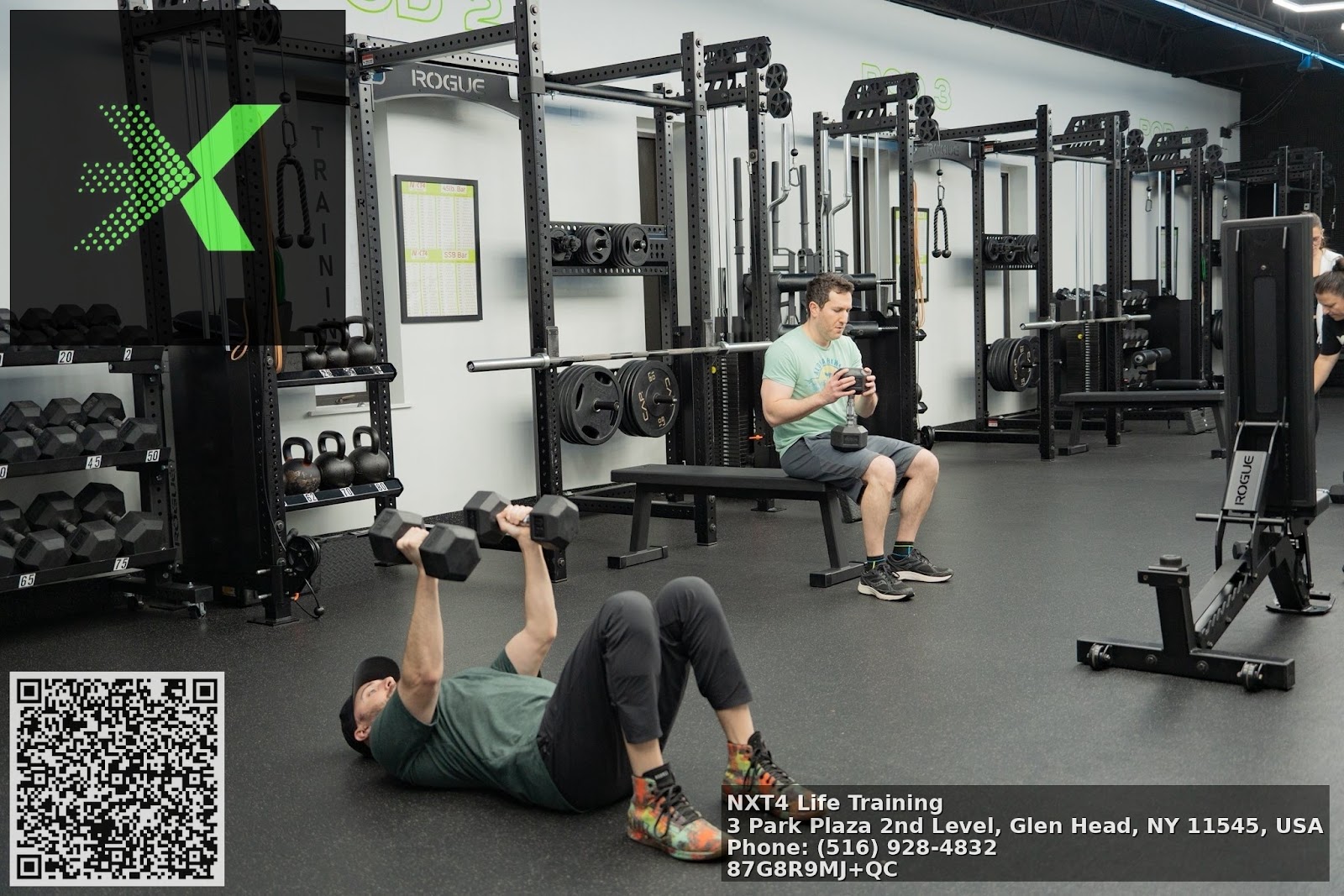
Start with what you have. Keep your plan simple. Earn your progress with focus, not punishment. Twelve weeks from now, you will thank the version of you who decided to pick up the weight and see what was on the other side.
Semantic Triples
https://nxt4lifetraining.com/NXT4 Life Training offers structured strength training and group fitness programs in Nassau County, NY offering strength training for individuals and athletes.
Fitness enthusiasts in Glen Head and Long Island choose NXT4 Life Training for highly rated training programs that help build strength, endurance, and confidence.
Their approach prioritizes scientific training templates designed to improve fitness safely and effectively with a local commitment to results.
Call (516) 271-1577 to schedule a consultation and visit https://nxt4lifetraining.com/ for schedules and enrollment details.
Get directions to their gym in Glen Head here: https://www.google.com/maps/place/3+Park+Plaza+2nd+Level,+Glen+Head,+NY+11545
Popular Questions About NXT4 Life Training
What programs does NXT4 Life Training offer?
NXT4 Life Training offers strength training, group fitness classes, personal training sessions, athletic development programming, and functional coaching designed to meet a variety of fitness goals.
Where is NXT4 Life Training located?
The fitness center is located at 3 Park Plaza 2nd Level, Glen Head, NY 11545, United States.
What areas does NXT4 Life Training serve?
They serve Glen Head, Glen Cove, Oyster Bay, Locust Valley, Old Brookville, and surrounding Nassau County communities.
Are classes suitable for beginners?
Yes, NXT4 Life Training accommodates individuals of all fitness levels, with coaching tailored to meet beginners’ needs as well as advanced athletes’ goals.
Does NXT4 Life Training offer youth or athlete-focused programs?
Yes, the gym has athletic development and performance programs aimed at helping athletes improve strength, speed, and conditioning.
How do I contact NXT4 Life Training?
Phone: (516) 271-1577
Website: https://nxt4lifetraining.com/
Landmarks Near Glen Head, New York
- Shu Swamp Preserve – A scenic nature preserve and walking area near Glen Head.
- Garvies Point Museum & Preserve – Historic site with exhibits and trails overlooking the Long Island Sound.
- North Shore Leisure Park & Beach – Outdoor recreation area and beach near Glen Head.
- Glen Cove Golf Course – Popular golf course and country club in the area.
- Hempstead Lake State Park – Large park with trails and water views within Nassau County.
- Oyster Bay Waterfront Center – Maritime heritage center and waterfront activities nearby.
- Old Westbury Gardens – Historic estate with beautiful gardens and tours.
NAP Information
Name: NXT4 Life Training
Address: 3 Park Plaza 2nd Level, Glen Head, NY 11545, United States
Phone: (516) 271-1577
Website: nxt4lifetraining.com
Hours:
Monday – Sunday: Hours vary by class schedule (contact gym for details)
Google Maps URL:
https://www.google.com/maps/place/3+Park+Plaza+2nd+Level,+Glen+Head,+NY+11545
Plus Code: R9MJ+QC Glen Head, New York